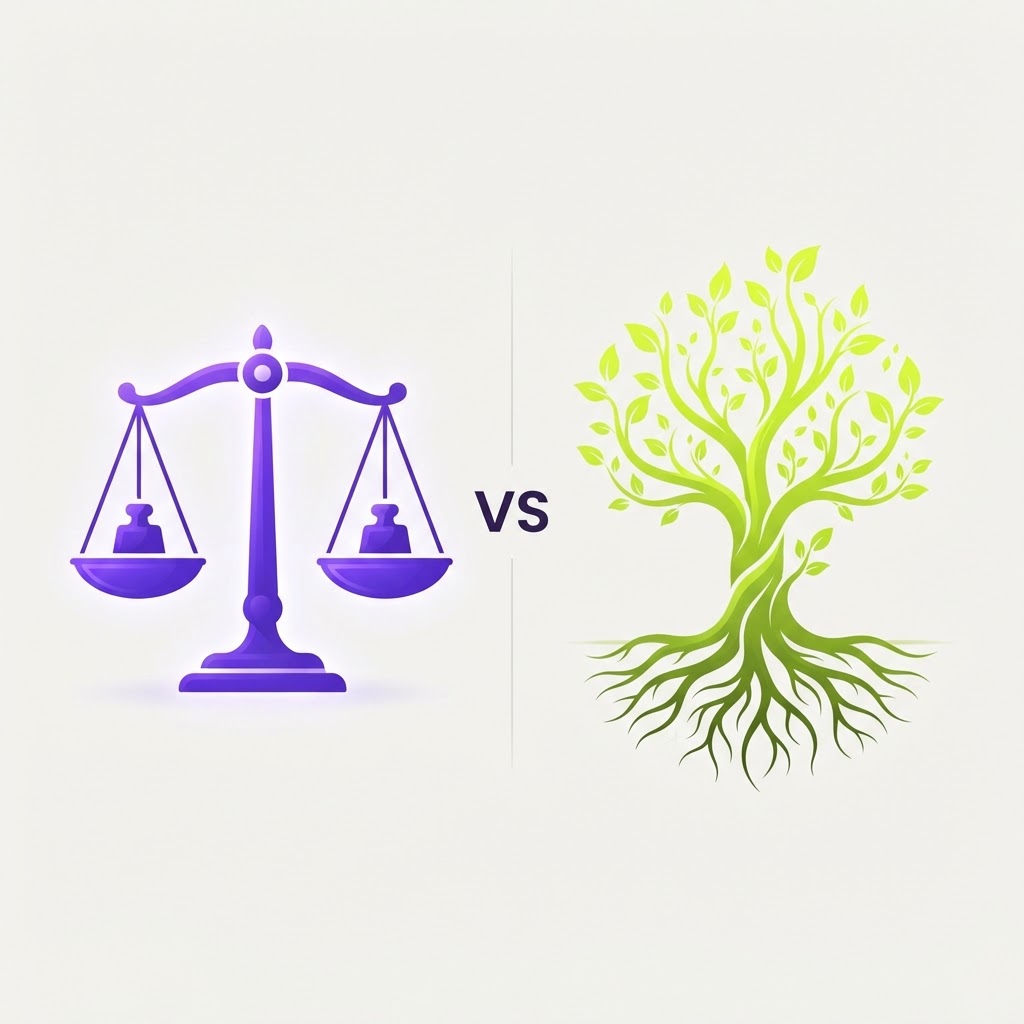
What Is Regenerative Innovation in Marketing? Beyond Sustainability
Regenerative innovation in marketing goes beyond reducing harm to actively restoring ecosystems and creating positive environmental and social outcomes through marketing strategy. Here's the complete framework.

Regenerative innovation in marketing is the practice of going beyond sustainability — which aims to reduce harm — to actively restore ecosystems, create positive environmental outcomes, and build social resilience through marketing strategy, media investment, and creative execution.
What Is Regenerative Innovation in Marketing?
The spectrum of environmental marketing has three stages:
- Sustainable marketing: Reduce harm (use less, waste less)
- Carbon-First marketing: Measure and optimize carbon before spend
- Regenerative marketing: Actively restore and create positive impact
Regenerative innovation is the third stage — where marketing doesn't just minimize its own footprint but actively contributes to ecological and social restoration.
What Makes Marketing "Regenerative"?
| Dimension | Sustainable Marketing | Regenerative Marketing |
|---|---|---|
| Goal | Net zero (neutral) | Net positive (restorative) |
| Approach | Reduce emissions | Restore ecosystems |
| Media | Low-carbon channels | Carbon-negative media investment |
| Creative | Avoid greenwashing | Promote regenerative solutions |
| Measurement | Carbon reduction | Carbon sequestration + social impact |
| Outcome | Less bad | More good |
Why Does Regenerative Innovation Matter Now?
The Limits of Sustainability
Sustainability aims for net zero — doing no additional harm. But the climate crisis has progressed beyond what net zero can address. The latest IPCC science indicates that reducing emissions is no longer sufficient; we need active regeneration.
The Innovation Opportunity
Regenerative innovation represents a competitive frontier. Companies that move beyond sustainability to regeneration can:
- Differentiate in markets saturated with greenwashing
- Attract talent who want to work for restorative organizations
- Access new capital pools focused on regenerative investing
- Build brand trust through verifiable positive impact
The Regulatory Tailwind
As CSRD, ECGT, and GMSF push companies to measure and report their environmental impact, the natural next question becomes: "What are you doing to restore?" Companies that can answer this credibly will lead.
How to Implement Regenerative Innovation in Marketing
1. Carbon-First Foundation
Before regeneration, you must measure and reduce. Use Carbon-First Marketing Intelligence to establish your baseline and eliminate the 30-40% of marketing spend that is carbon waste.
2. Invest in Carbon-Negative Media
Allocate a portion of media budget to platforms and publishers that actively sequester carbon or fund restoration projects — making marketing a net positive contributor.
3. Fund Regeneration Through Marketing Spend
Dedicate a percentage of marketing budget to verified ecosystem restoration projects — turning marketing investment into ecological investment.
4. Create Regenerative Narratives
Use marketing creative to amplify regenerative solutions, not just to sell products. Tell stories of restoration, circularity, and positive impact.
5. Measure Net Positive Impact
Go beyond carbon reduction metrics to measure:
- Carbon sequestered through marketing-funded projects
- Ecosystems restored
- Social outcomes created
- Net positive contribution
6. Build Regenerative Partnerships
Partner with NGOs, restoration projects, and regenerative economy organizations to create authentic, verifiable impact.
What Are Examples of Regenerative Innovation in Marketing?
- Carbon-negative media buying: Investing in ad platforms that fund reforestation
- Regenerative creative: Campaigns that promote circular economy products
- Restoration-linked sponsorships: Sponsoring ecosystem restoration as brand strategy
- Net-positive reporting: Publishing not just emissions reduced but ecosystems restored
- Community investment: Marketing budgets that fund local regeneration projects
How Is Regenerative Innovation Different from ESG Marketing?
| Dimension | ESG Marketing | Regenerative Innovation |
|---|---|---|
| Philosophy | Compliance and risk reduction | Active restoration and positive impact |
| Goal | Net zero | Net positive |
| Driver | Regulation | Innovation and leadership |
| Measurement | Emissions reduced | Ecosystems restored + social impact |
| Posture | Defensive | Generative |
What Are the Challenges of Regenerative Marketing?
1. Measurement Complexity
Regenerative impact is harder to measure than carbon reduction. It requires tracking ecosystems, biodiversity, and social outcomes — not just CO₂e.
2. Greenwashing Risk
Regenerative claims without verified data are the new greenwashing. The ECGT Directive applies to regeneration claims too — they must be substantiated.
3. Cost and Investment
Regenerative marketing requires upfront investment in restoration projects and verification systems.
4. Organizational Readiness
Most marketing teams are still at the sustainability stage. Regenerative innovation requires a mature Carbon-First foundation first.
Frequently Asked Questions
What is regenerative innovation in marketing?
Regenerative innovation in marketing goes beyond sustainability to actively restore ecosystems and create positive environmental and social outcomes through marketing strategy, media investment, and creative execution.
How is regenerative marketing different from sustainable marketing?
Sustainable marketing aims to reduce harm (net zero). Regenerative marketing aims to create positive impact (net positive) — actively restoring ecosystems rather than just minimizing damage.
Is regenerative marketing the same as carbon-first marketing?
No. Carbon-first marketing is the measurement foundation — modeling and reducing carbon before spend. Regenerative marketing builds on that foundation to go beyond reduction to active restoration.
Can regenerative marketing claims be greenwashing?
Yes. Unsubstantiated regeneration claims are a form of greenwashing. Under the ECGT Directive, all environmental claims — including regeneration — must be verified with evidence.
How do I start with regenerative marketing?
Start with a Carbon-First foundation: measure your marketing emissions, eliminate waste, then allocate a portion of budget to verified restoration projects and carbon-negative media.
Key Takeaways
- Regenerative innovation goes beyond sustainability from net zero to net positive
- It requires a Carbon-First foundation — you must measure before you can regenerate
- Greenwashing rules apply — regeneration claims must be substantiated
- It represents a competitive frontier for brand differentiation and talent attraction
- The future of marketing is not just less bad but more good
Explore regenerative innovation with WE7 AI. Start with our Carbon-First Marketing framework, Campaign Carbon Score, and responsible growth initiatives.